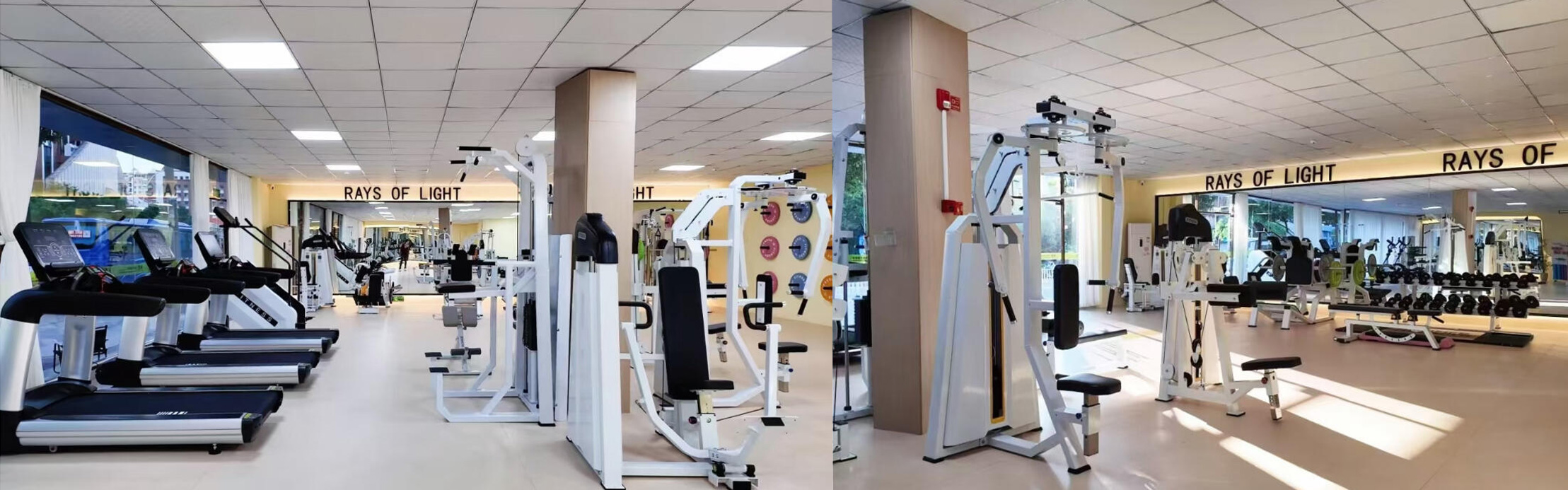
Pilates has become one of the fastest-growing fitness methods worldwide,valued for its ability to improve core strength,flexibility,and posture.At the center of this training system is the pilates reformer machine,a versatile piece of equipment designed for controlled resistance training.However,not all reformers are built the same.The difference between a commercial Pilates reformer and a home Pilates reformer is more significant than many people realize.
A Commercial Pilates Reformer is designed for high-frequency use in professional environments such as fitness studios,rehabilitation centers,and gyms.These machines are built with reinforced frames,high-grade materials,and advanced resistance systems to withstand continuous daily training.In contrast,a home reformer Pilates equipment model is typically designed for occasional use,focusing more on compact size and affordability rather than heavy-duty performance.
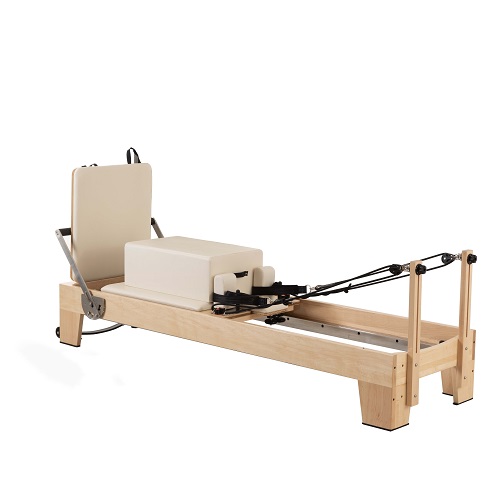
One of the most important differences is durability.A professional Pilates reformer used in commercial settings must support multiple users throughout the day without losing stability or performance.That is why commercial models often feature stronger aluminum or steel frames,upgraded spring systems,and enhanced carriage mechanisms to ensure smooth movement even under intensive use.
Another key factor is functionality.A fitness studio equipment reformer often comes with adjustable resistance levels,interchangeable accessories,and expanded training options to support group classes and advanced Pilates routines.On the other hand,home reformers are usually simpler,offering basic movement patterns suitable for personal fitness and beginner-level training.
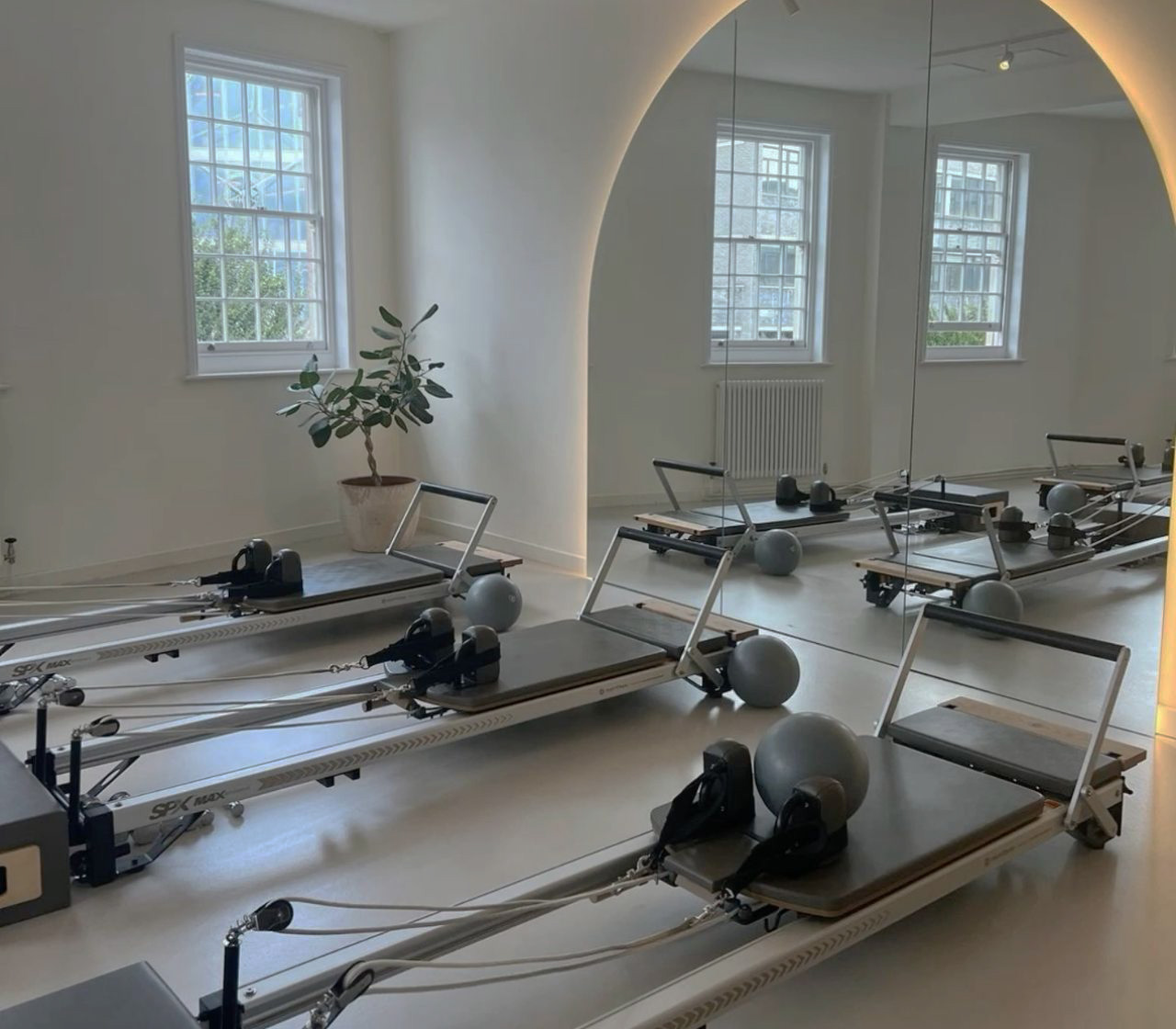
Space and design also play a role.A Pilates studio reformer is generally larger and more stable,while home versions are often foldable or lightweight for easier storage.This makes home reformers ideal for apartments or small training spaces,but less suitable for high-intensity professional environments.
In terms of application,commercial reformers are widely used in:
Pilates studios and boutique fitness centers
Physical therapy and rehabilitation clinics
Professional sports training facilities
High-end gyms and wellness centers
Meanwhile,home reformers are commonly used for:
Personal fitness training
Beginner Pilates practice
Small-space home workouts
Light rehabilitation exercises
Another growing trend is the integration of ergonomic and adjustable features.A Pilates Reformer Machine for studio use often includes enhanced safety systems,smoother glide rails,and precision resistance control to support long-term training programs.These features are essential for instructors who guide multiple clients with different fitness levels.
As Pilates continues to grow globally,demand for both commercial and home equipment is increasing.However,choosing the right type depends entirely on usage frequency,training intensity,and professional requirements.
Commercial reformers:heavy-duty,durable,studio-grade
Home reformers:compact,lightweight,beginner-friendly
Commercial:advanced resistance systems and accessories
Home:basic functionality and space-saving design
Commercial:suitable for professional and group training
Home:ideal for personal fitness and light workouts
What is the main difference between commercial and home Pilates reformers?
Commercial reformers are built for heavy daily use in studios,while home reformers are designed for personal and occasional use.
Can a home Pilates reformer be used in a studio?
It is not recommended,as home models may not withstand high-frequency usage.
Are commercial Pilates reformers better?
They are better for professional environments due to higher durability and functionality.
Is a Pilates reformer good for beginners?
Yes,both home and commercial reformers can be used by beginners under proper guidance.







GUANGZHOU GANAS FITNESS EQUIPMENT CO.,LTD is one of the top ten brands of full-set commercial gym equipment in China. It provides and produces a full set of commercial gym equipment and has a complete production process and quality management system to ensure that each product meets the expectations and requirements of customers.
Copyright © 2026 Mango Sports Goods Co., Ltd All rights reserved.



 English