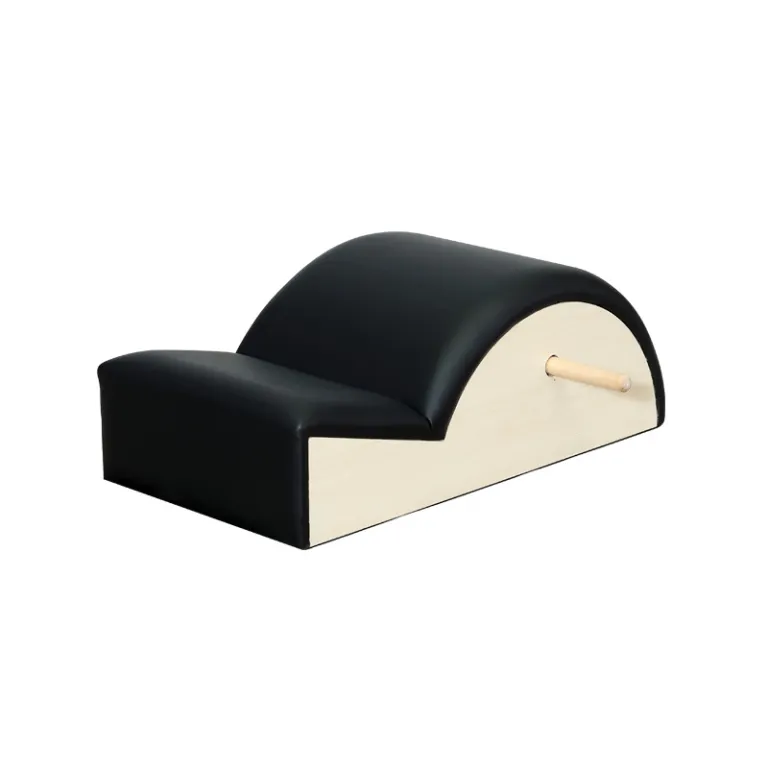
What is a Pilates Spine Corrector?
A Pilates spine corrector is a classic Pilates apparatus designed to support spinal alignment, posture correction, core strengthening, and flexibility improvement. Often referred to as a spine corrector, Pilates Spine Corrector Barrel, or pilates corrector, this equipment features an ergonomic arched shape that follows the natural curves of the spine.
Originally developed as part of the traditional Pilates system, the spine corrector is widely used in Pilates for Spine health, rehabilitation, posture improvement, and daily spinal care. It is suitable for Pilates studios, rehabilitation centers, and advanced home practice.
Using a pilates spine corrector helps users:
Improve spinal alignment and posture
Reduce pressure on the vertebrae and discs
Strengthen deep core muscles
Increase flexibility in the spine, shoulders, and hips
Relieve stiffness caused by prolonged sitting
Because of its supportive design, the pilates spine corrector barrel allows controlled movement while minimizing injury risk.
Before starting any pilates spine corrector workout, follow these basic safety guidelines:
Place the spine corrector on a flat, non-slip surface
Wear comfortable clothing that allows free movement
Move slowly and with control—never force the spine
Focus on breathing and core engagement
Stop immediately if you feel sharp pain or discomfort
Beginners are advised to practice under professional guidance.
This is one of the most common pilates for spine exercises.
How to perform:
Sit in front of the pilates spine corrector barrel
Slowly lie back over the arch, aligning the spine with the curve
Extend the arms overhead or open them to the sides
Inhale to open the chest, exhale to engage the core
Hold for 5–10 seconds, then return slowly
Benefits:
Improves thoracic mobility, opens the chest, and reduces rounded shoulders.
A fundamental pilates spine corrector workout for core strength.
How to perform:
Sit on the floor with the lower back supported by the arch
Place hands behind the head or across the chest
Exhale and lift the upper body slightly
Inhale to return with control
Repeat 8–12 times
Benefits:
Strengthens deep abdominal muscles and improves spinal support.
This movement enhances spinal stability and pelvic control.
How to perform:
Lie with the pelvis resting against the arch of the spine corrector
Feet flat on the floor, knees bent
Exhale and lift hips slightly while engaging the core
Hold briefly, then lower slowly
Benefits:
Supports lumbar spine, strengthens glutes, and improves pelvic alignment.
Used to increase flexibility and balance.
How to perform:
Sit sideways against the pilates corrector
Lean over the curve with one arm extended overhead
Rotate gently through the torso
Hold and breathe, then switch sides
Benefits:
Improves lateral spinal mobility and shoulder flexibility.
For most users:
Beginners: 2–3 sessions per week, 10–15 minutes
Intermediate/Advanced: 3–5 sessions per week
Daily care: Short 10-minute sessions for posture and relaxation
Consistency is more important than duration when using a spine corrector.
A pilates spine corrector workout is suitable for:
Office workers with poor posture
Pilates practitioners at all levels
Individuals recovering from mild back issues (with approval)
Postpartum users rebuilding core strength
Athletes seeking spinal mobility and balance
It is widely used in pilates for spine conditioning and rehabilitation programs.
When looking for a pilates spine corrector for sale, consider:
Material (solid wood, foam, or composite)
Stability and load-bearing capacity
Size suitability (S / M / L if available)
Cushion comfort and surface finish
Intended use (studio, rehab, or home)
Professional studios often prefer wooden or oak models, while home users may choose lightweight foam versions.
The Pilates spine corrector is a powerful yet gentle tool for improving spinal health, posture, core strength, and flexibility. When used correctly, it supports safe, controlled movement and delivers long-term benefits for the entire body.
Whether you are a beginner exploring pilates for spine health or a professional incorporating advanced pilates spine corrector workouts, proper technique and consistency are the keys to success.







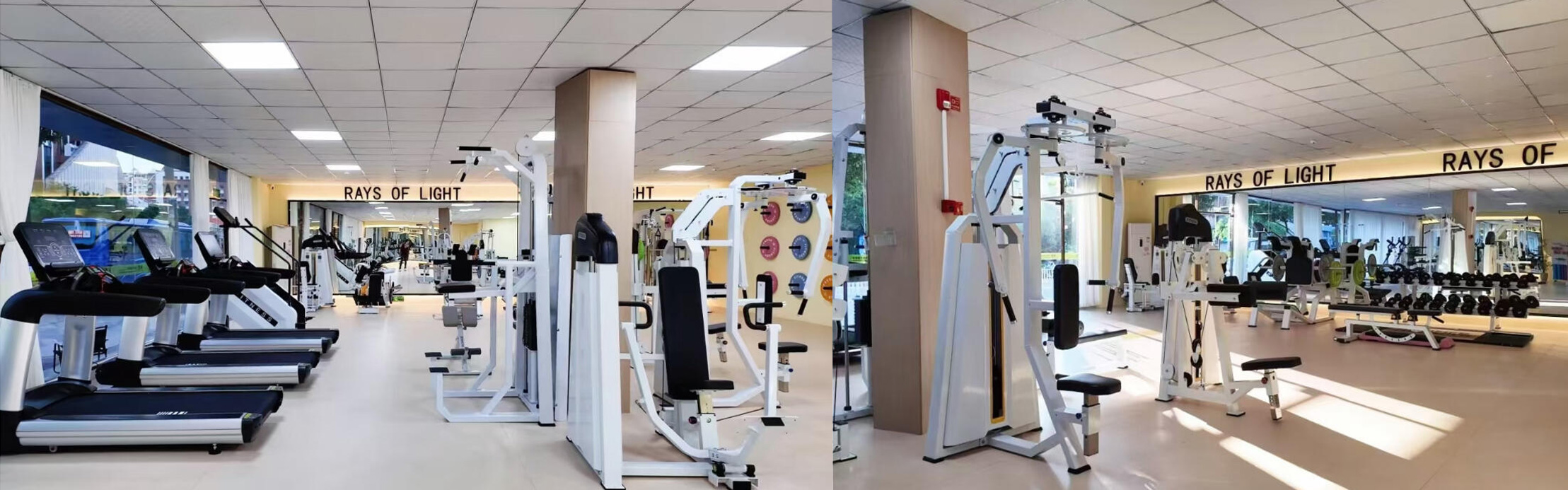
GUANGZHOU GANAS FITNESS EQUIPMENT CO.,LTD is one of the top ten brands of full-set commercial gym equipment in China. It provides and produces a full set of commercial gym equipment and has a complete production process and quality management system to ensure that each product meets the expectations and requirements of customers.
Copyright © 2026 Mango Sports Goods Co., Ltd All rights reserved.



 English