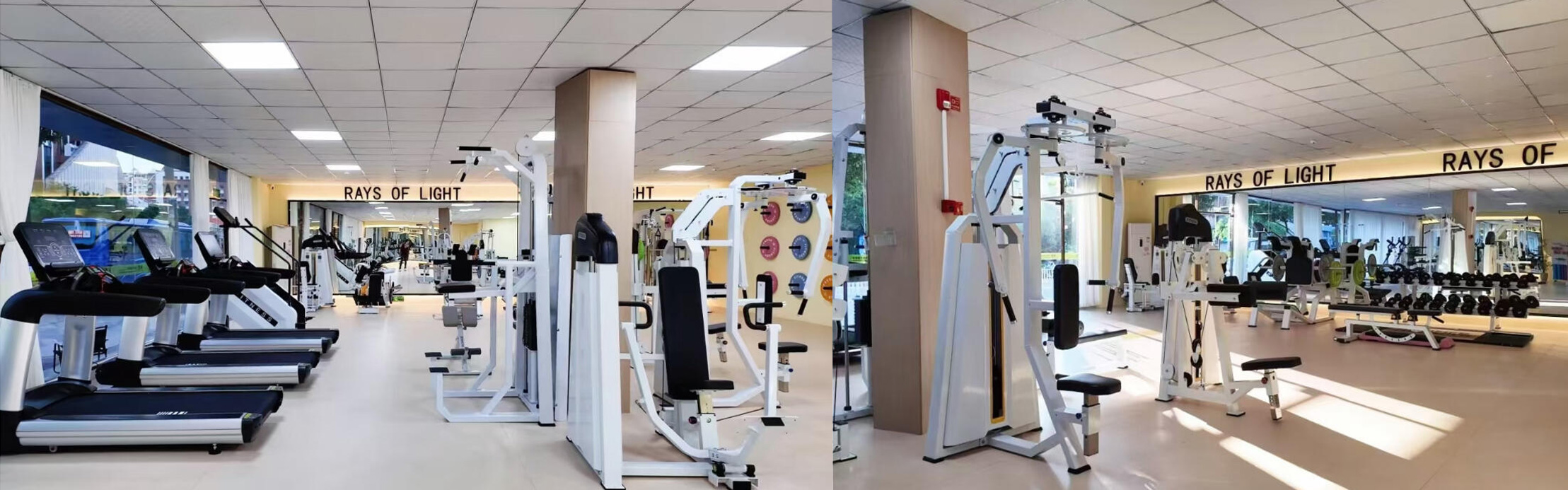
A Pilates Chair is a versatile piece of pilates equipment designed to enhance strength, balance, flexibility, and overall body control. Whether you are a beginner, an advanced practitioner, or setting up a home or professional Pilates studio, learning how to use a Pilates Chair correctly is essential for safe and effective workouts.
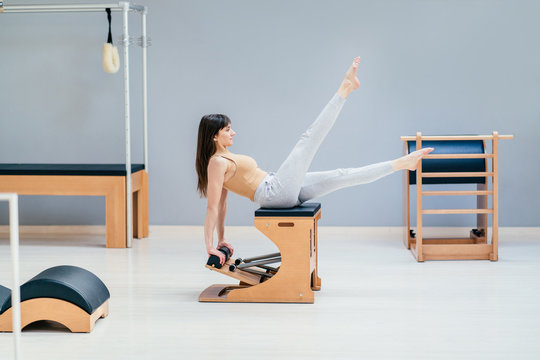
A Pilates chair, also known as a Wunda Chair, consists of a sturdy platform with pedals, springs, and handles. The adjustable resistance allows users to perform a wide variety of pilates chair exercises targeting the core, arms, legs, glutes, and back. It is suitable for both home Pilates chair setups and professional Pilates studios, offering a compact and efficient alternative to reformers.
Core Strengthening
The chair engages deep abdominal muscles and spinal stabilizers during exercises like pedal presses, step-ups, and seated leg lifts, helping improve posture and core stability.
Flexibility and Balance
By combining stretching with controlled resistance, a Pilates chair workout enhances flexibility, joint mobility, and balance, making it ideal for full-body conditioning.
Strength Training
Adjustable resistance springs allow users to build strength in the arms, legs, glutes, and back without heavy weights, making it safe for rehabilitation or low-impact training.
Rehabilitation and Recovery
Many Pilates chair exercises focus on controlled movements that aid in injury recovery, improve muscle imbalances, and enhance functional fitness.
Place the Pilates chair on a stable, flat surface.
Adjust the pedal resistance according to your skill level: higher resistance for strength training, lower resistance for flexibility or rehabilitation.
Ensure the pedals move smoothly and securely before beginning exercises.
Footwork/Press: Sit or stand on the chair and press the pedal downward, engaging the core and leg muscles. Repeat 10–15 times.
Seated Leg Lifts: Sit on the chair, hold the handles for stability, and lift one leg at a time to strengthen the lower abs and hip flexors.
Push-Up on Chair: Place hands on the pedal or handles and perform controlled push-ups to work arms, shoulders, and chest.
Step-Downs: Stand behind the chair, step one foot onto the pedal, then alternate to target glutes, quads, and hamstrings.
Mountain Climber on Chair: Use the pedal for dynamic leg movements while keeping the core engaged.
Side Leg Press: Lie beside the chair and press the pedal outward to work the outer thighs and hip muscles.
Pilates Pike or Teaser Variations: Combine pedal resistance with core lifting movements for full-body engagement.
Compact and versatile, suitable for home or professional studios.
Adjustable resistance allows workouts for all levels: beginner, intermediate, and advanced.
Targets multiple muscle groups in one session, including core, glutes, legs, and arms.
Enhances posture, balance, and flexibility simultaneously.
Safe alternative to heavy weight training, ideal for rehabilitation and low-impact workouts.
Wipe down the chair after each use to maintain hygiene.
Check springs, pedals, and screws regularly to ensure safety and smooth movement.
Avoid overloading the chair beyond recommended resistance levels.
Store in a dry, stable area to prevent wear or damage.
Beginners or advanced Pilates practitioners
Home users or professional Pilates studios
Personal trainers looking for versatile Pilates equipment
Users seeking core strengthening, flexibility, and rehabilitation exercises
This guide provides a comprehensive understanding of how to use a Pilates chair, highlighting its adjustable resistance, versatility, and suitability for home, studio, and professional use. Proper use ensures safe, effective, and engaging Pilates workouts for all fitness levels.







GUANGZHOU GANAS FITNESS EQUIPMENT CO.,LTD is one of the top ten brands of full-set commercial gym equipment in China. It provides and produces a full set of commercial gym equipment and has a complete production process and quality management system to ensure that each product meets the expectations and requirements of customers.
Copyright © 2026 Mango Sports Goods Co., Ltd All rights reserved.



 English