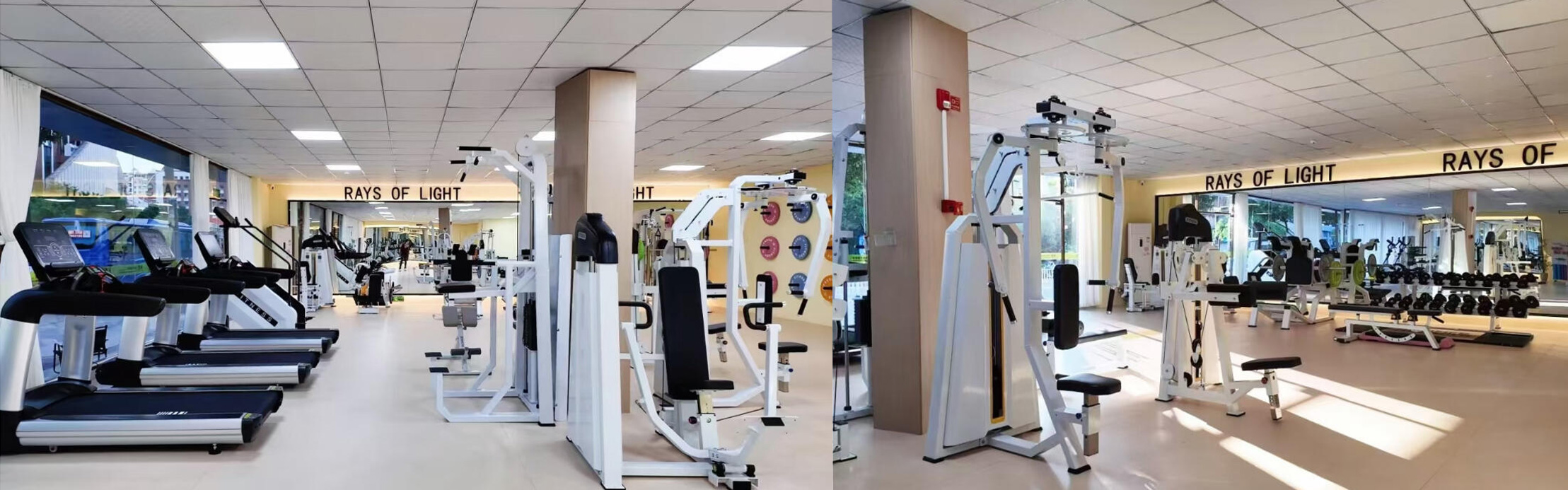
For most new Pilates studios, the right number of reformers depends on studio size, class capacity, instructor availability, and the type of classes you plan to offer. A small private studio may start with 3–5 pilates reformers, while a larger commercial studio may need 8–12 or more units to support group classes and maintain a comfortable training environment.
If you are planning a new Pilates studio or upgrading an existing space, choosing the number of Pilates reformers should be part of the overall equipment and floor-plan planning process—not simply a decision based on how many machines can physically fit in the room.
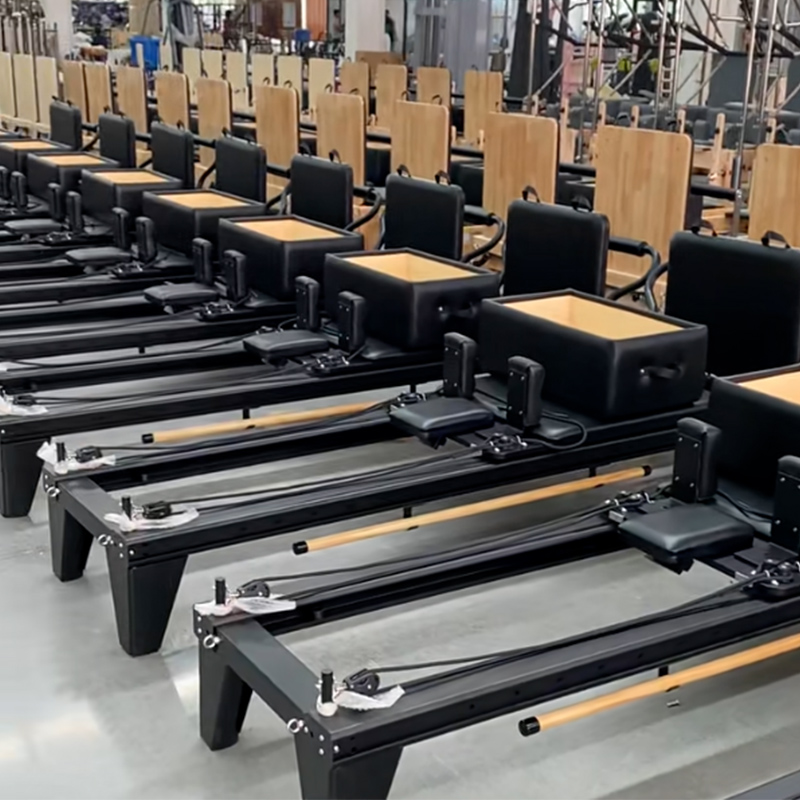
Several factors should be considered before ordering Pilates equipment. The goal is to balance class capacity, instructor control, available space, and long-term business plans.
The available floor area is usually the first limitation. Pilates Reformer Machines require enough space for users to move safely around the equipment, while instructors also need clear access to each client.
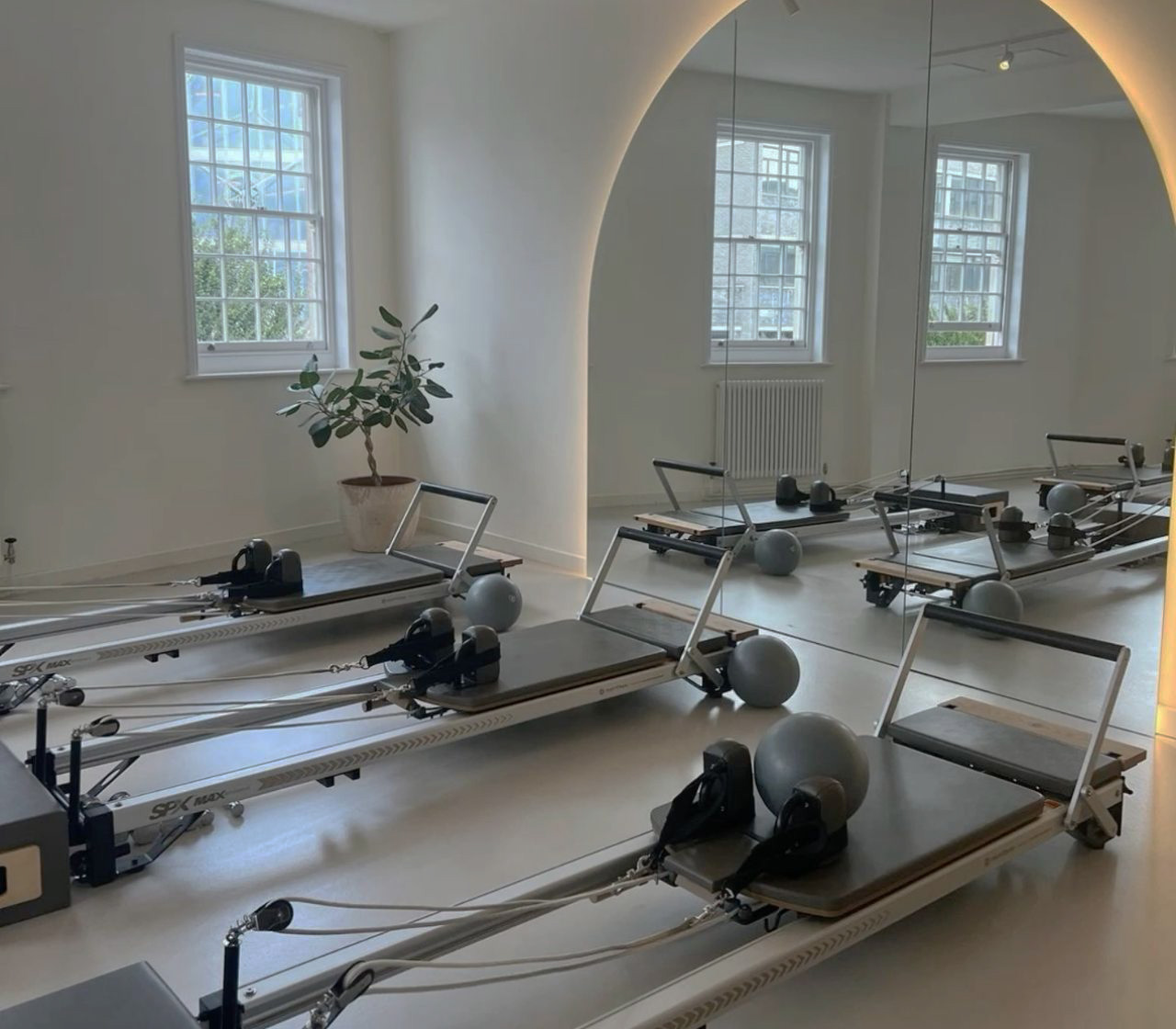
A compact studio may be better suited to 3–5 reformers, while a medium-sized studio can often accommodate approximately 6–8 units. Larger commercial facilities may use 8–12 or more reformers depending on their layout and class model.
Your expected class size is just as important as the physical size of the studio. Private Pilates sessions require fewer machines, while group reformer classes may require several machines to operate at the same time.
For example, a studio focused on one-on-one instruction may only need a small number of professional reformers. A group-class studio designed for 8 clients per session would generally need at least 8 reformers to operate at full capacity.
More reformers do not automatically mean more profitable classes. The number of instructors available at the same time should also be considered.
If one instructor is responsible for a class, increasing the number of participants too aggressively can make it harder to provide individual corrections and maintain a consistent training experience. For a new studio, it can be more practical to start with a manageable number of reformers and expand as demand grows.
| Studio Type | Typical Reformer Quantity | Best For |
|---|---|---|
| Small / Private Studio | 3–5 | Private sessions and small classes |
| Medium Studio | 6–8 | Small group reformer classes |
| Large Commercial Studio | 8–12+ | High-volume group classes |
| Multi-Room Pilates Facility | 12+ | Multiple instructors and class schedules |
These figures are planning ranges rather than fixed requirements. The actual number should be determined by the room dimensions, equipment layout, class capacity, and business model.
Once you have estimated the number of machines, the next step is choosing the right type of Pilates reformer. Commercial studios should pay particular attention to frame construction, resistance adjustment, carriage movement, user comfort, maintenance, and customization options.
For example, an Aluminum Studio Pilates Reformer can be suitable for professional studios that need a durable and adjustable machine. MANGO's Studio Pilates Reformer uses an aluminum alloy frame, carbon steel springs, adjustable settings, and a full-track carriage system.
For studios that prioritize a lightweight frame and smooth full-track movement, an Aluminum Pilates Reformer is another option. The model uses an aluminum alloy frame, has a maximum user weight of 200 kg, and is designed for both professional studio and commercial applications.
Not necessarily. A new studio can consider its expected opening-day membership, class schedule, and expansion plan before deciding the initial order quantity.
For example, a new studio may begin with 4–6 reformers and reserve enough floor space for additional machines later. This approach can reduce the initial equipment investment while allowing the business to expand when class demand increases.
For larger projects, purchasing multiple machines at the same time can also provide advantages in terms of consistent appearance, equipment configuration, branding, and studio layout.
A professional Pilates studio does not always need to rely on reformers alone. Depending on the training programs offered, studios may also consider Cadillac equipment, Pilates chairs, ladder barrels, spine correctors, and other accessories.
Combining different types of Pilates equipment can help instructors provide more varied training programs while making better use of the available studio space.
Pilates Reformers for group and individual reformer classes
Cadillac equipment for advanced movement and suspension-based training
Pilates Chairs for strength, balance, and controlled movement
Ladder Barrels for stretching, mobility, and posture-focused exercises
Spine Correctors and small accessories for supplementary training
Buying the right number of Pilates reformers is only part of the planning process. Equipment placement can affect instructor visibility, client movement, cleaning, maintenance, and the overall experience of the studio.
For this reason, Pilates studio owners should consider the complete layout before confirming a large equipment order. A professional supplier can help evaluate the available space and determine an equipment configuration that matches the studio's expected capacity.
MANGO provides Pilates equipment solutions for studios and gyms, including reformers, Cadillac equipment, Pilates chairs, and other apparatus. The company also supports customized equipment and studio layout planning for different project requirements.
Before placing an order, studio owners and distributors should confirm more than just the unit price. The following information can help buyers compare suppliers more effectively:
What is the frame material and overall construction?
What is the maximum user weight?
How many resistance levels are available?
What type of carriage and track system is used?
Can the equipment be customized with colors or logos?
What accessories are included?
What is the MOQ for a studio project?
What are the production and shipping lead times?
What warranty and after-sales support are provided?
Can the manufacturer provide studio layout or project planning support?
If you are searching for “paliaties” equipment or planning a Pilates studio, it is important to evaluate the complete project rather than choosing equipment based only on price. The right reformer quantity, equipment configuration, studio layout, and supplier support can all affect the long-term operation of the business.
For a small Pilates studio, 3–5 reformers can be a practical starting point. Medium studios may consider 6–8 machines, while larger commercial studios can require 8–12 or more depending on class capacity and floor space.
The best quantity is ultimately determined by your studio size, class model, instructor capacity, expected customer demand, and expansion plans. If you provide your studio dimensions, target class size, and preferred equipment types, a professional Pilates equipment manufacturer can help develop a more suitable equipment configuration and quotation.
Planning a new Pilates studio? Send us your floor dimensions, expected class capacity, and equipment requirements, and MANGO can help you evaluate the appropriate Pilates equipment configuration for your project.
A small studio may start with approximately 3–5 reformers, depending on the room size and whether the studio focuses on private or group classes.
The number depends on the number of reformers, available floor space, and instructor capacity. A studio with eight reformers can potentially run a class for eight clients, provided the layout and teaching model are appropriate.
Pilates reformers are often the core equipment for reformer-based studios. Additional equipment such as Cadillac systems, Pilates chairs, barrels, and accessories can be selected according to the studio's class offerings.
Yes. A manufacturer experienced in commercial Pilates projects can help buyers evaluate equipment quantities, product configurations, customization, and studio layout before production.





GUANGZHOU GANAS FITNESS EQUIPMENT CO.,LTD is one of the top ten brands of full-set commercial gym equipment in China. It provides and produces a full set of commercial gym equipment and has a complete production process and quality management system to ensure that each product meets the expectations and requirements of customers.
Copyright © 2026 Mango Sports Goods Co., Ltd All rights reserved.



 English